 (08) 9278 2575
Can You Be Charged for Filming a Fight and Posting It Online?
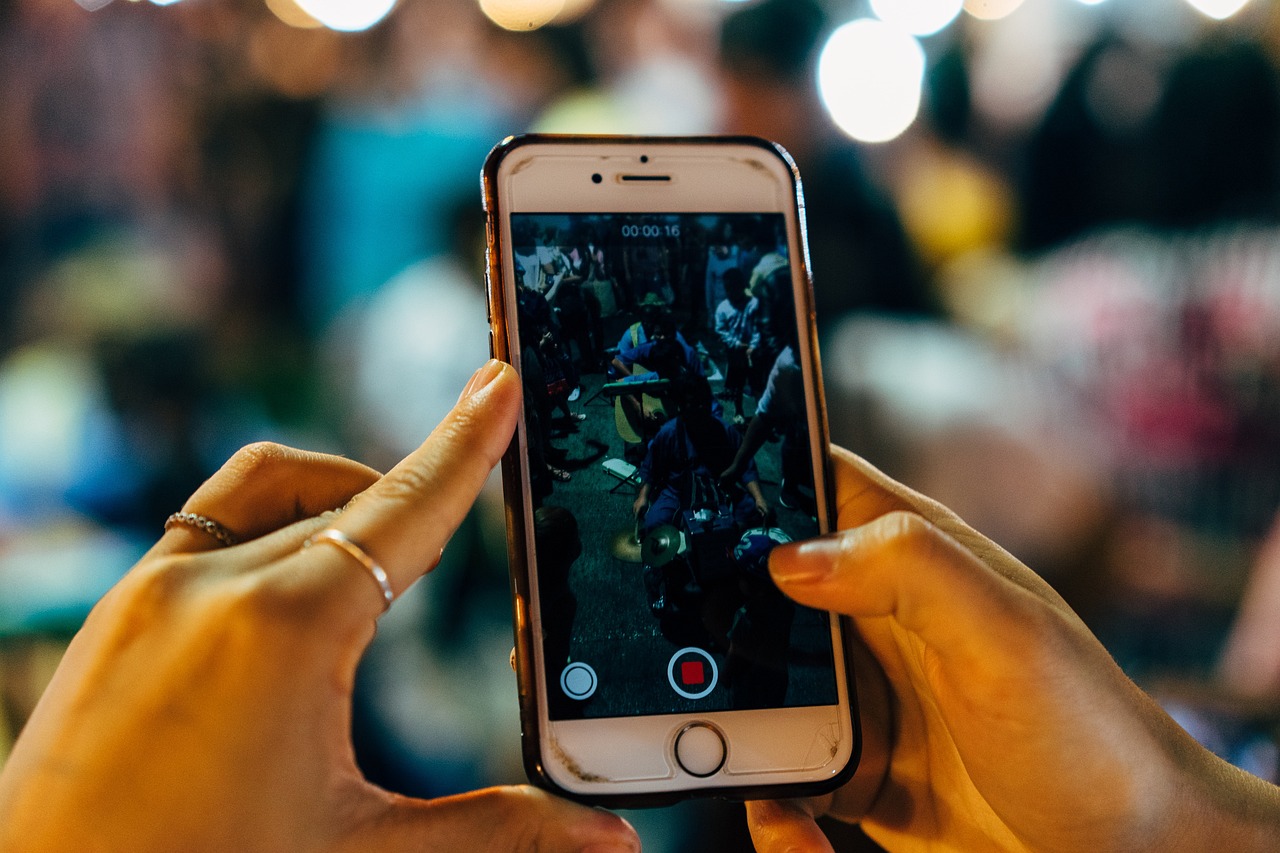
Videos of fights in public are now routinely shared across social media and in group chats. In most cases, simply recording a fight in a genuinely public setting will not itself make the filmer criminally responsible for the assault. However, this can change depending on where the recording occurs, whether the filmer encourages or assists the violence and what is later done with the footage.
The following outlines the legality of filming a fight and posting it online, including where the threshold changes from being a mere witness to potentially having accessorial liability for the fight.
Key Takeaways
- Simply filming a fight in a genuinely public place will not usually make the person recording criminally responsible for the assault.
- A filmer may potentially face liability if they intentionally encourage, assist or facilitate the violence rather than merely observe it.
- Someone involved in a group plan may potentially be liable for an offence committed as part of a shared unlawful purpose.
- Posting footage can create separate legal issues, particularly where the material involves a private activity or is used to menace, harass or offend another person.
- A video, its audio and surrounding phone data can become important evidence about who was present, what was said and whether an incident was planned.
Is It a Criminal Offence to Film a Fight in WA?
Filming a fight, on its own, will not usually constitute a criminal offence, particularly if it is filmed in a public place. Criminal responsibility for the assault depends on what the person actually did and their involvement in the events, rather than simply whether they held a phone.
The Surveillance Devices Act 1998 (WA) regulates recording private conversations and private activities. Section 6 of the Act generally prohibits using an optical surveillance device to visually record or observe a private activity to which the recorder is not a party, and also restricts recording a private activity to which the recorder is a party, unless an exception applies.
The Act defines a ‘private activity’ by reference to circumstances that reasonably indicate that a party desires the activity to be observed only by themselves. It excludes an activity carried on in circumstances where the parties ought reasonably to expect that it may be observed. As such, a fight occurring openly on a public street, in a shopping precinct or in another place where participants ought reasonably to expect to be observed may be capable of being filmed without giving rise to violations of privacy law.
Nevertheless, criminal liability may apply if a person’s actions indicate an involvement in the offending.
When Can Someone Filming a Fight Be Considered Involved in the Offence?
Section 7 of the Criminal Code Act Compilation Act 1913 (WA) (‘the WA Criminal Code’) treats a person as a principal offender if they do an act for the purpose of enabling or aiding another person to commit an offence, aid another person in committing the offence, or counsel or procure the offence.
Mere presence at the scene, or merely holding a phone, does not automatically establish that the filmer aided an assault. However, a person who helps arrange a fight, encourages a participant to continue, blocks the victim from leaving, acts as a lookout, summons others to join in, or films as part of a planned attack or humiliation may face criminal liability.
The prosecution would need to prove the relevant basis of participation. What the person said before and during the fight, messages arranging the incident, the relationship between participants and what happened immediately afterwards can all be important.
What About a Group That Planned the Fight?
In group offending cases, section 8 of the WA Criminal Code can extend responsibility where two or more people form a common intention to pursue an unlawful purpose together and another offence is committed which was a probable consequence of carrying out that purpose.
For example, if a group arranges a confrontation intending that a victim be assaulted and one participant remains behind the camera as part of that plan, the person filming may be found to be equally liable for the assault because they pursued a common purpose with their co-offenders.
Does Encouraging a Fight Make a Difference?
Yes. Legally, passively observing an incident is different from intentionally encouraging, assisting or facilitating it.
Urging an attacker to continue or directing other participants may provide evidence that the person filming was actively involved, which could give rise to equal criminal culpability.
How We Can Help
If you are facing a criminal charge or need advice about your situation, speak with an experienced criminal lawyer. Contact Andrew Williams on 08 9278 2575 for advice and representation.
Can Posting the Video Online Cause Other Legal Problems?
Posting the video online could give rise to a separate criminal offence.
Section 9 of the Surveillance Devices Act 1998 (WA) restricts knowingly publishing or communicating a private conversation, a report or record of a private conversation, or a record of a private activity where it came to the person’s knowledge through the use of a listening or optical surveillance device. If the original fight was not a private activity or private conversation within the Act, section 9 will not automatically convert ordinary public footage into prohibited surveillance material.
Further, section 474.17 of the Criminal Code Act 1995 (Cth) (the Federal Criminal Code) makes it an offence to use a carriage service in a way that reasonable persons would regard as menacing, harassing or offensive. The provision does not make every unpleasant, graphic or tasteless uploaded video a federal crime, but deliberately sending a video of an assault to a victim or sharing it for the purpose of harassing the victim could constitute a criminal offence.
Can Your Own Video Be Used as Evidence Against You?
A phone recording can reveal much more than the assault itself, including voices and comments, who was present, events immediately before and after the incident, encouragement from bystanders, relationships between participants and whether the incident appeared planned.
Police may ask a witness to voluntarily provide the original recording. Police may also have statutory powers to seize or examine a phone containing evidence of an offence. Different powers apply where police seek to compel a suspect to provide information or assistance to access data stored on a device.
What If Police Ask to See Your Phone?
If police are investigating a fight and want access to your phone, messages or social media account, obtain legal advice before deciding how to respond.
Get Legal Advice
Filming an incident and actively participating in, encouraging or facilitating an offence are very different things. It is therefore important to get prompt legal advice to understand where you stand.
How We Can Help
If you are facing a criminal charge or need advice about your situation, speak with an experienced criminal lawyer. Contact Andrew Williams on 08 9278 2575 for advice and representation.
